Electronic Team uses cookies to personalize your experience on our website. By continuing to use this site, you agree to our cookie policy. Click here to learn more.
 Olga Weis
• Jan 5, 2026
Olga Weis
• Jan 5, 2026
You can hold and secure your private keys and digital certificates with a USB Token for Digital Signature or Digital Signature Certificate (DSC). This small electronic device is also known as a USB dongle or e-token. They are password-protected and come with built-in data encryption software. Traditionally, USB tokens are utilized for user identification and to enhance the integrity of signed documents.
But for remote workers, the use of a physical USB token can be challenging. It is impossible to connect this device to a computer system from a remote location. Fortunately, you can use a digital signature without the physical USB token plugged into your computer using any of these solutions:
You can choose your digital signature solution with the help of our comparison table.
When people think "How to use a digital signature without a USB token," a zero-hardware solution is considered the most modern and sophisticated option.
A Cloud DSC (or DSC without a USB token) can store and secure your digital certificate and cryptographic keys on the Certifying Authority’s (CA) secure server or a Hardware Security Module (HSM), rather than on a local USB stick.
Note: For instance, you are a remote employee who works in different locations. Now, you need to sign documents for your company on a regular basis. With a cloud-based DSC, you can sign your documents from any device as long as you have a stable internet connection.
With this method, you do not need to carry, plug in, or manage any physical USB hardware. That is why this solution is the most mobile, which reduces the risk of a lost or damaged token.
This method is recommended if your organization already has USB tokens, or if you must use a token-based DSC for legal compliance but need to access it remotely (e.g., from home).
One of the most reliable tools that allows you to access a remote digital signature dongle via the Internet is Donglify.
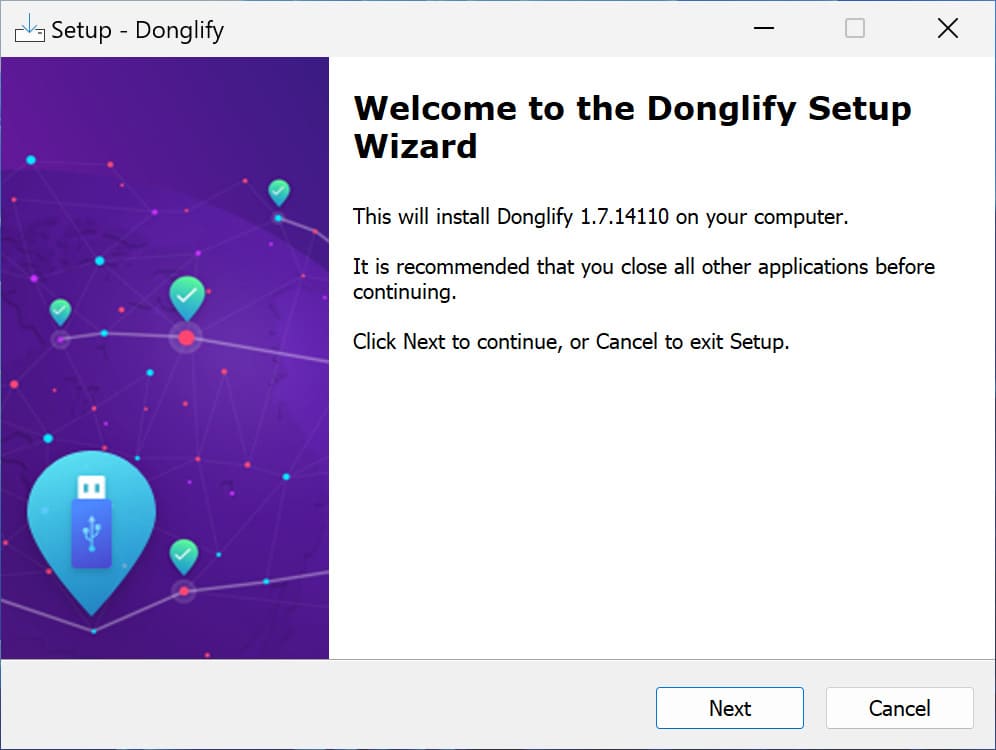
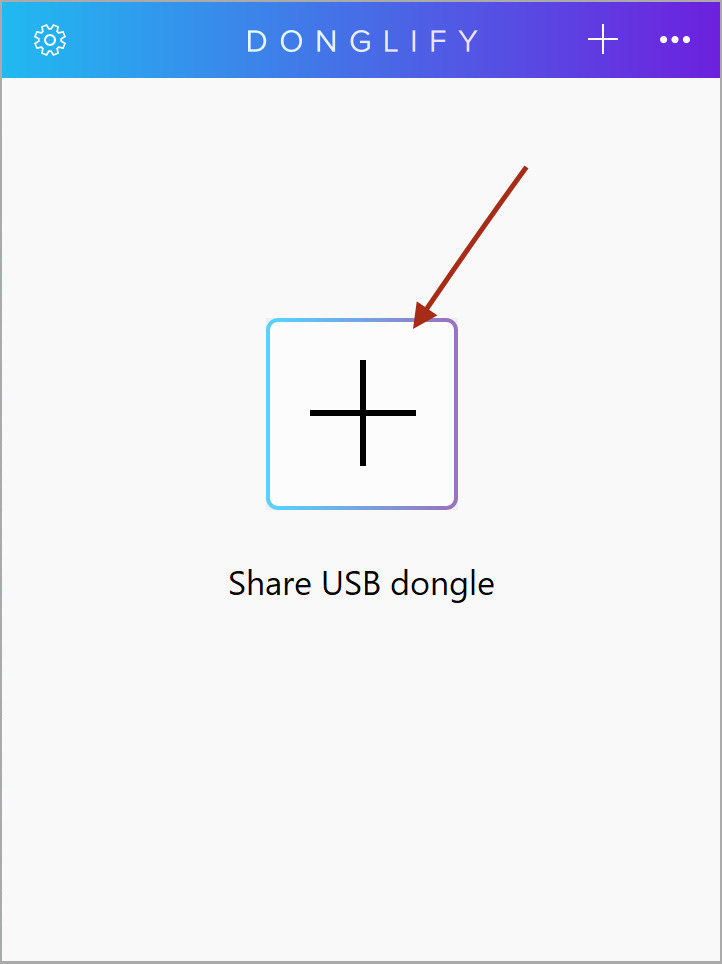
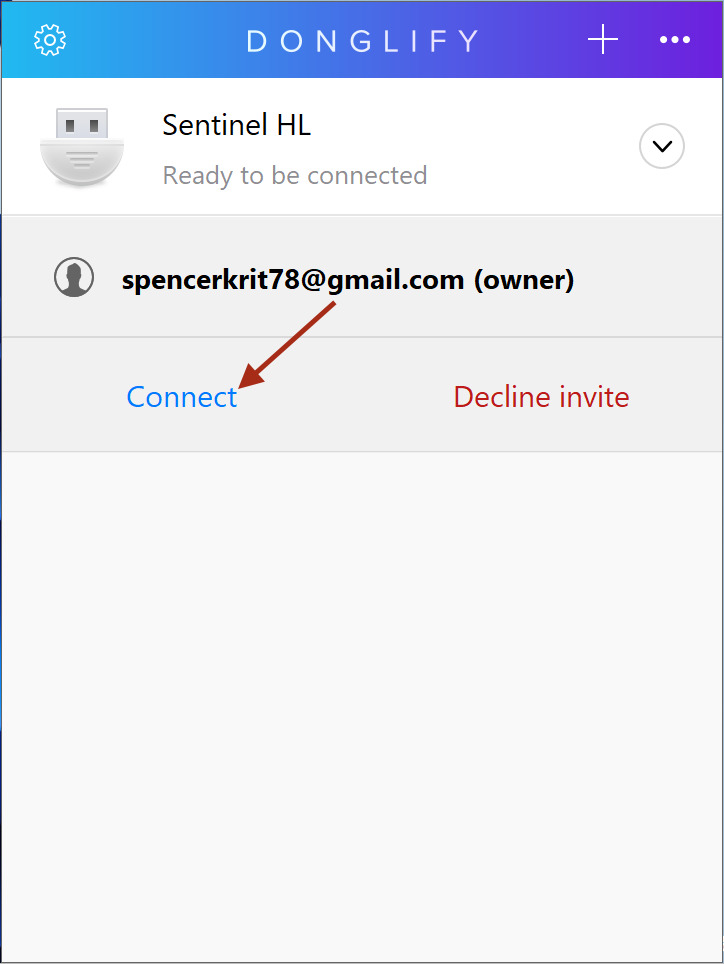
This method is indeed a straightforward solution to append your digital signature via remote access from any networked machine. This will enable the safe and secure use of a single token in one location while being used by authorized users across the office or globally with Donglify’s multi-connect function.
Note: Here is a sample application: An employee in one office location may access the USB token physically stored in the server room of another location to sign financial documents, even without moving the token.
Donglify is a reliable solution if you need to use a DSC without physically handling the USB token. It allows every user in the office to access a token for a remote signature via the network whenever required. With this solution, you get minimal to zero risk of losing the token or damaging it via natural wear and tear.
In this process, you transfer the DSC from the physical token to a computer as a 'soft certificate' (e.g., a .pfx or .cer file). You can use this file for specific signing applications (such as those from the CA or the government) to apply a digital signature, even without the token being present.
What to Consider When Using Soft Certificates?
Note: A soft certificate is often a suitable solution for smaller organizations or tasks that require simple internal documentation.
Warning: Always check with your Certifying Authority to ensure that the soft certificate you are using is legal and compliant with your specific signing requirements.
| Solution | DSC Key Location | Hardware Required | Best For | Security Level |
| Cloud-Based DSC | Secure Cloud HSM (CA Server) | None (only phone for OTP) | High mobility, large remote teams, and compliance-heavy transactions. | Highest (Centralized HSM & MFA) |
| Remote Access (Donglify) | Physical USB Token (on Server PC) | Physical USB Token | Office environments sharing a secure token among local/remote users. | High (the token is physically secured) |
| Soft Certificate | Local PC/Disk | None (after export) | Specific local utility usage, low-risk internal documents. | Lower (risk of computer compromise) |
It is completely your decision which method you will use. But for optimized security, enhanced flexibility, and a hardware-free approach, the cloud-based digital signature is the best choice.